SEB Intranet Platform
(16-Module System)

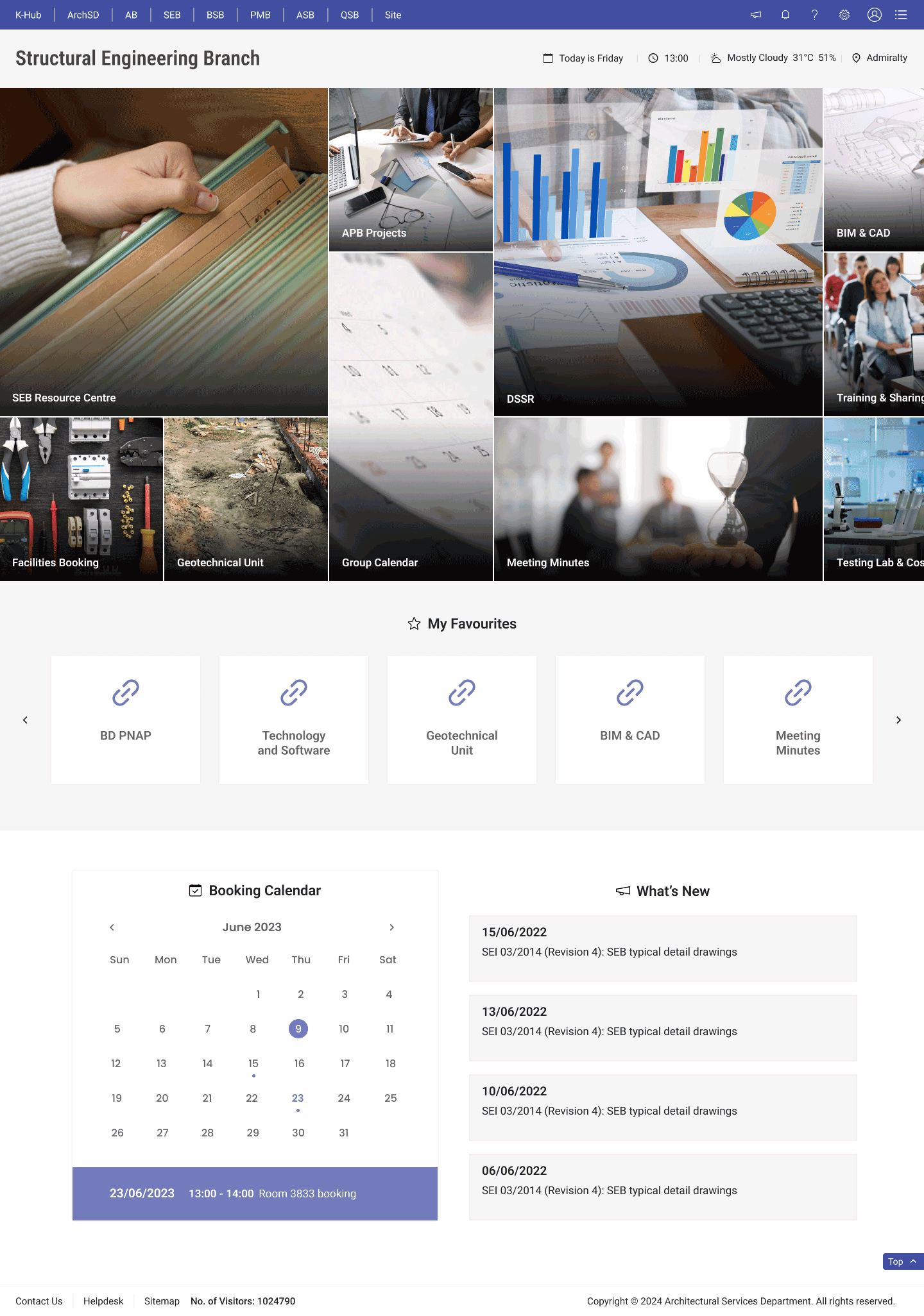
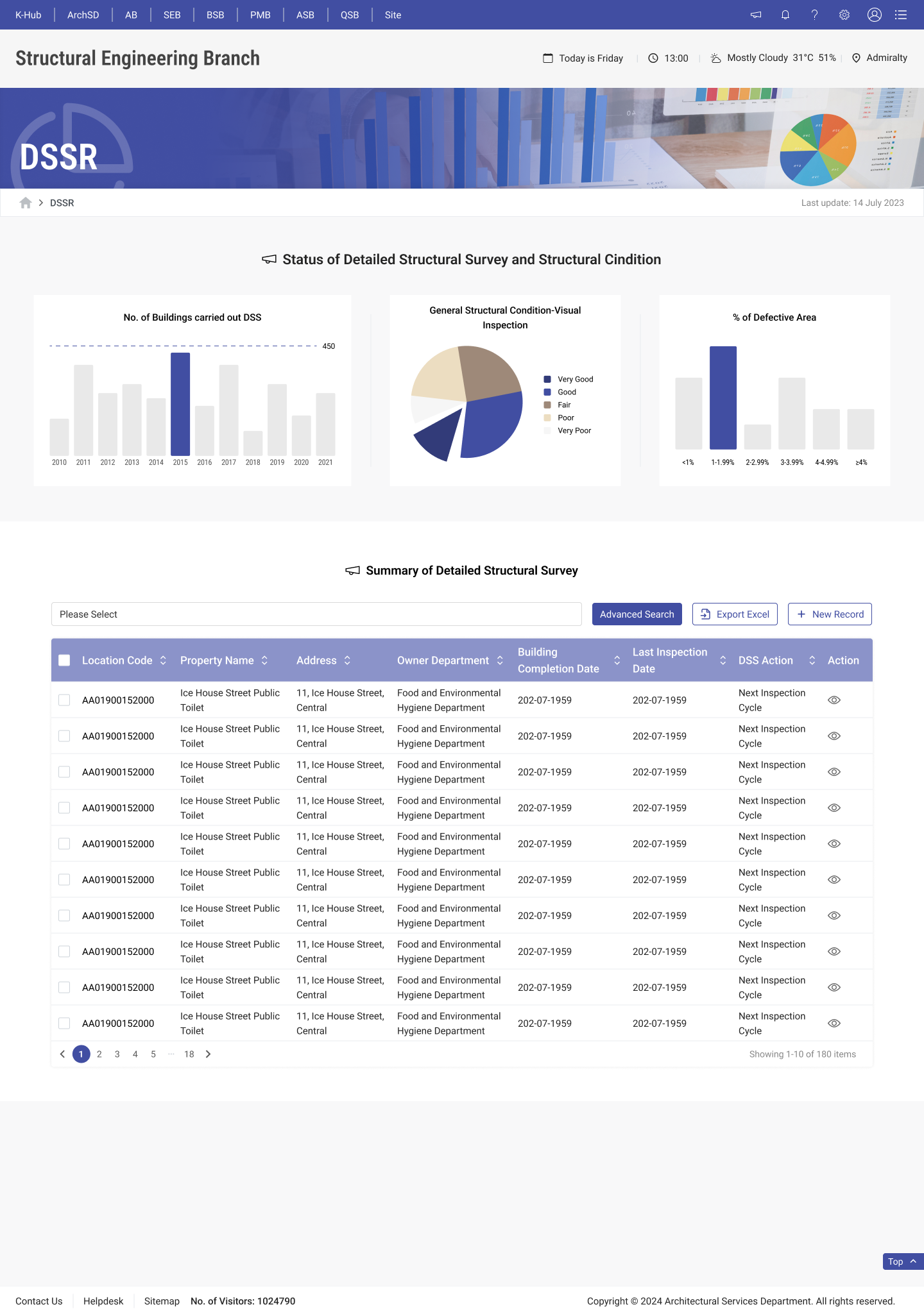
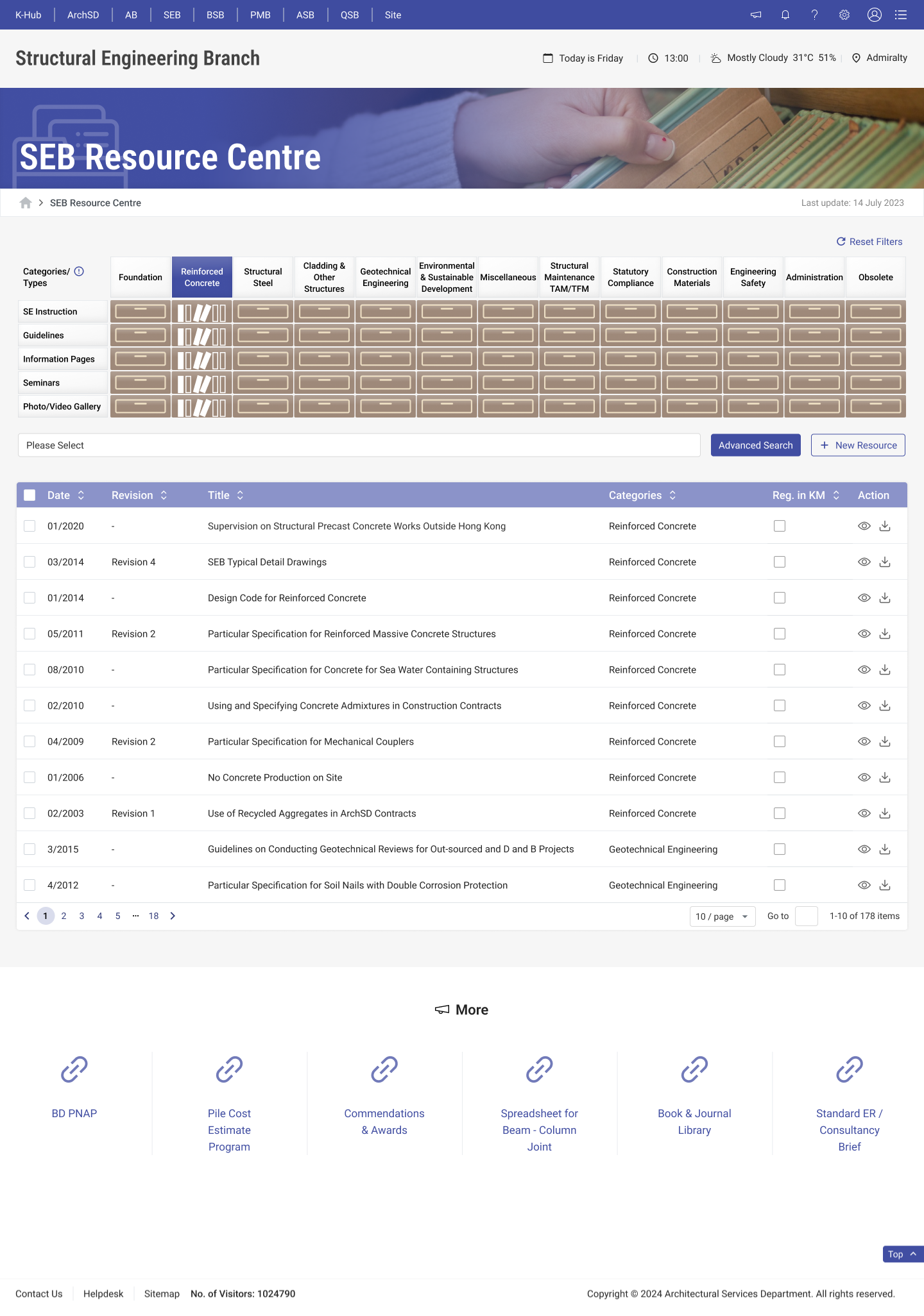
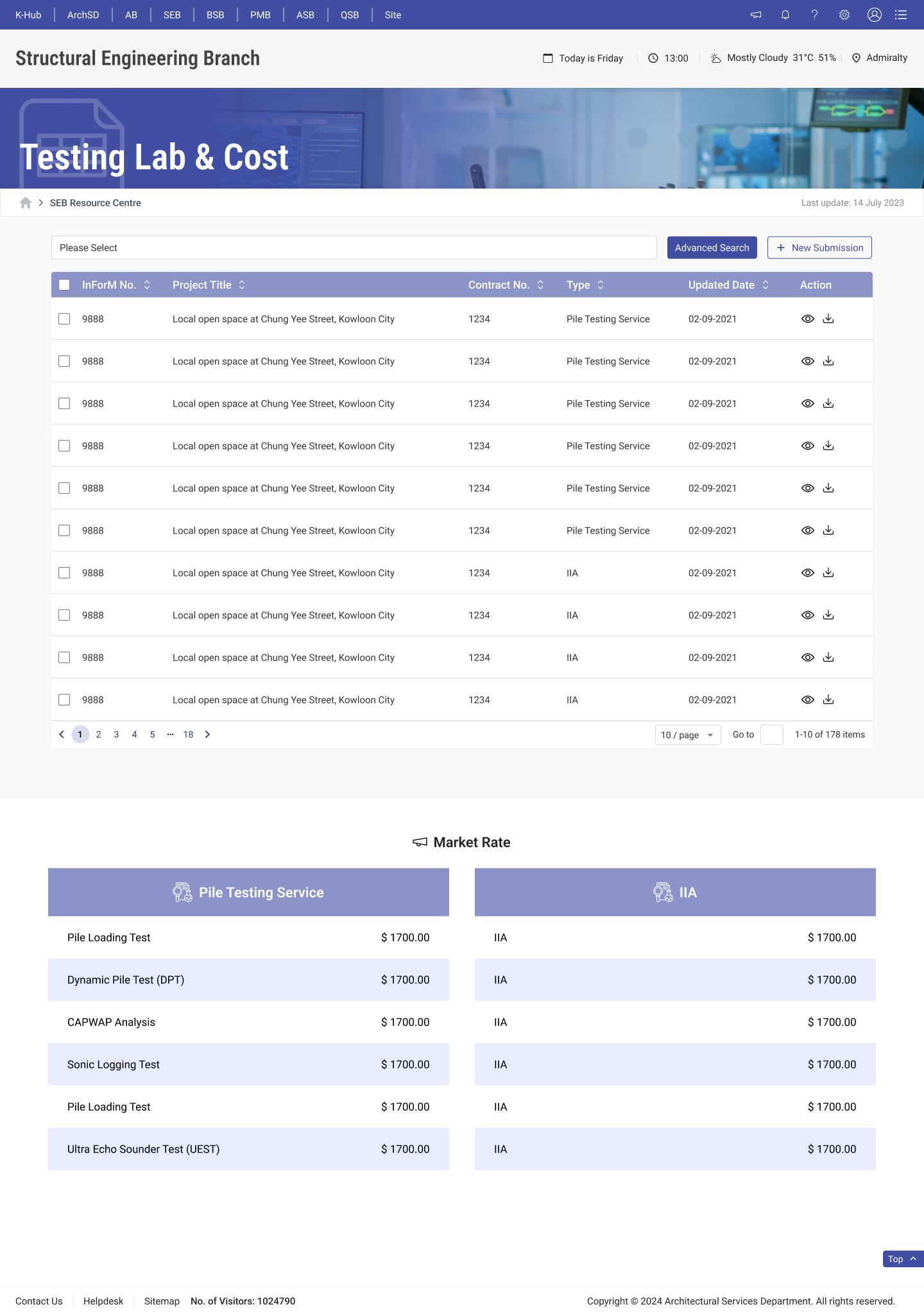
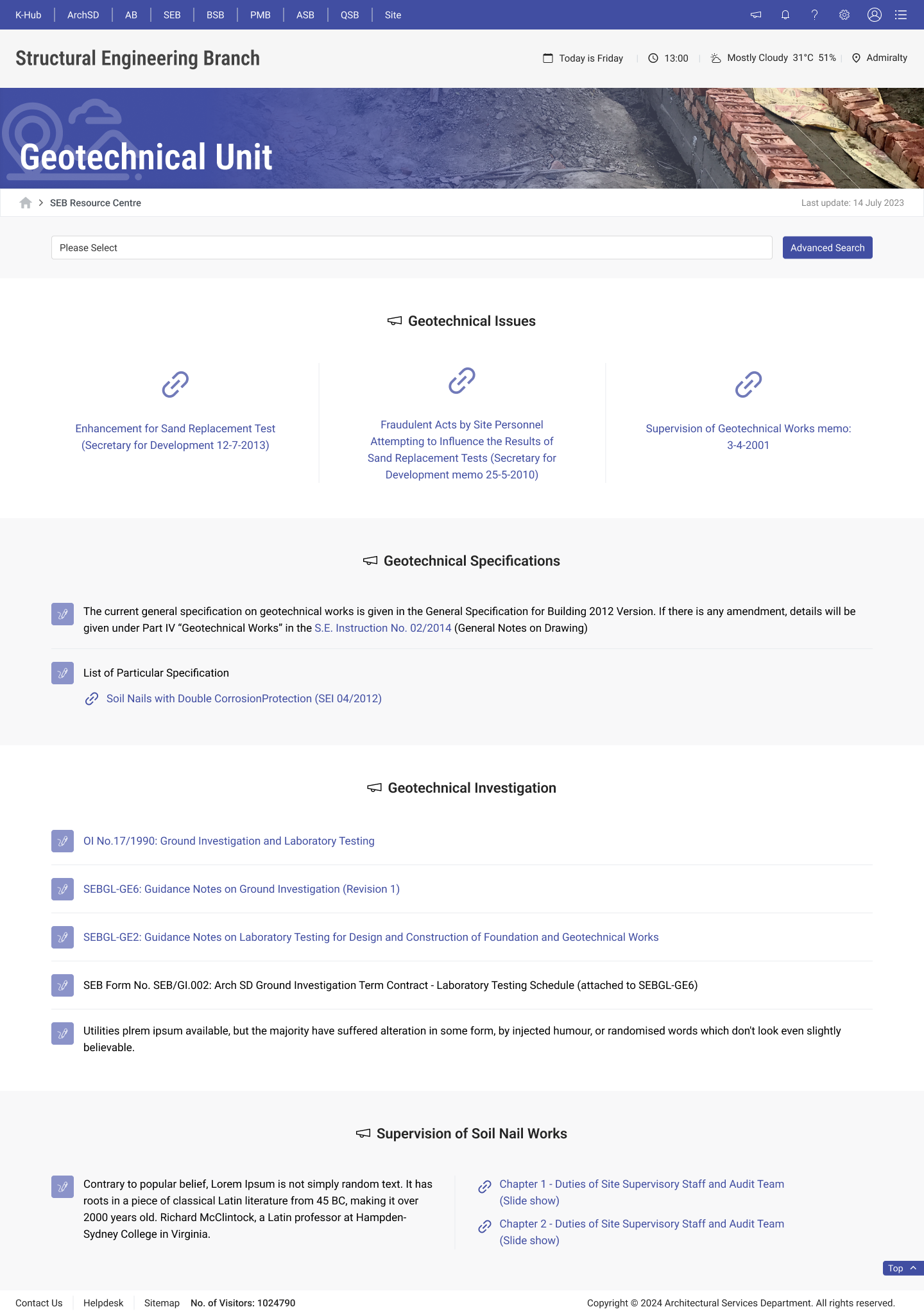
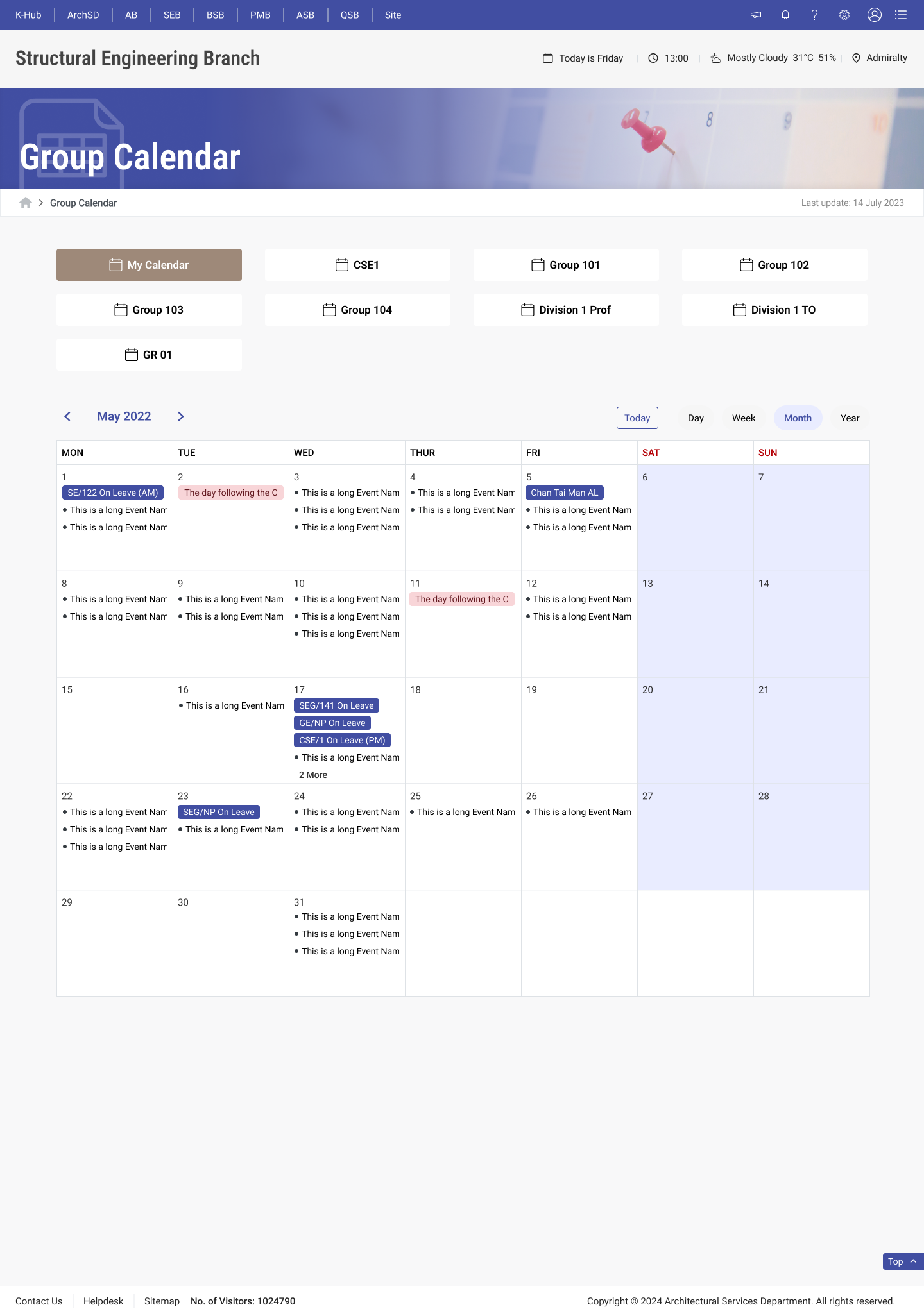
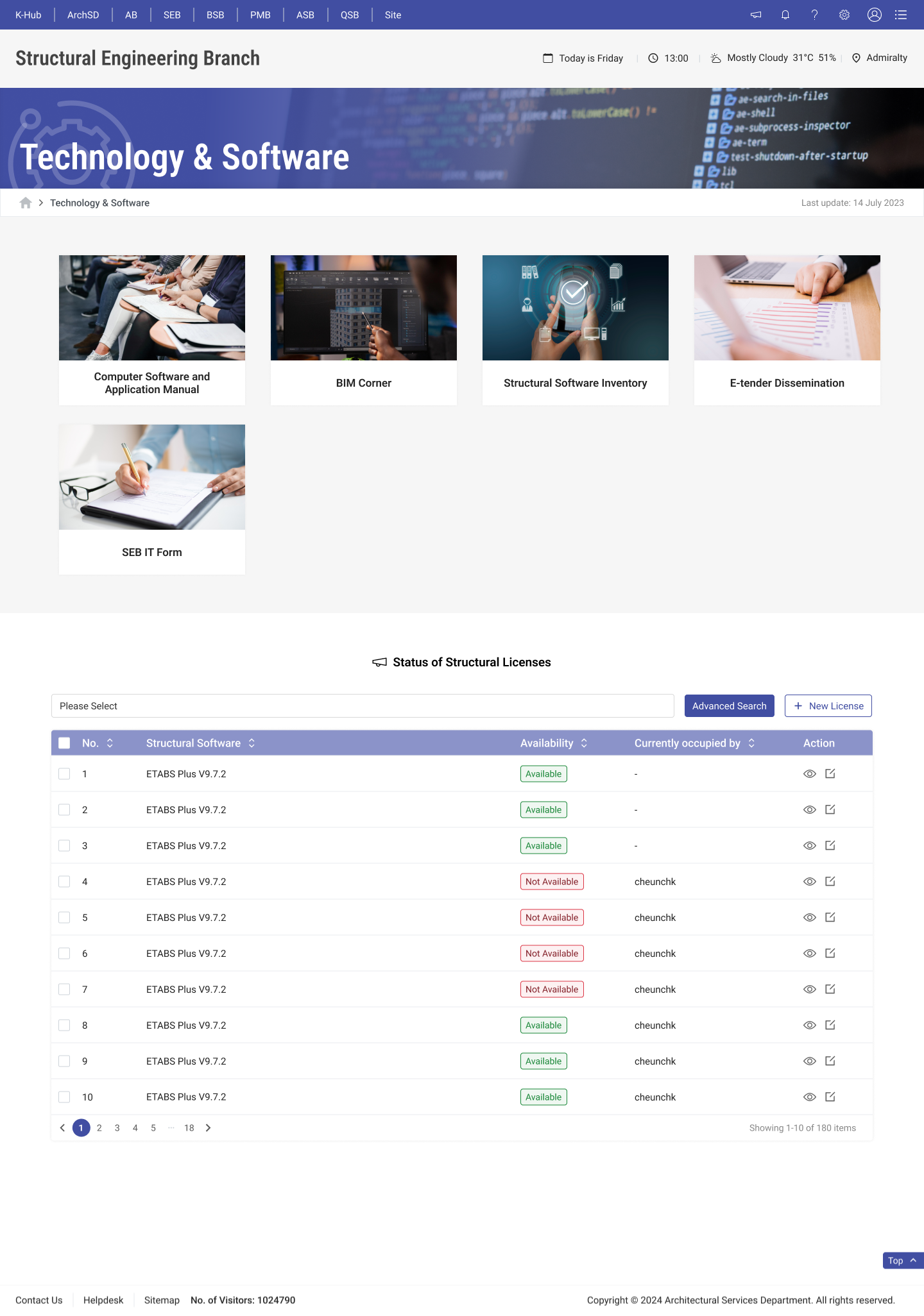
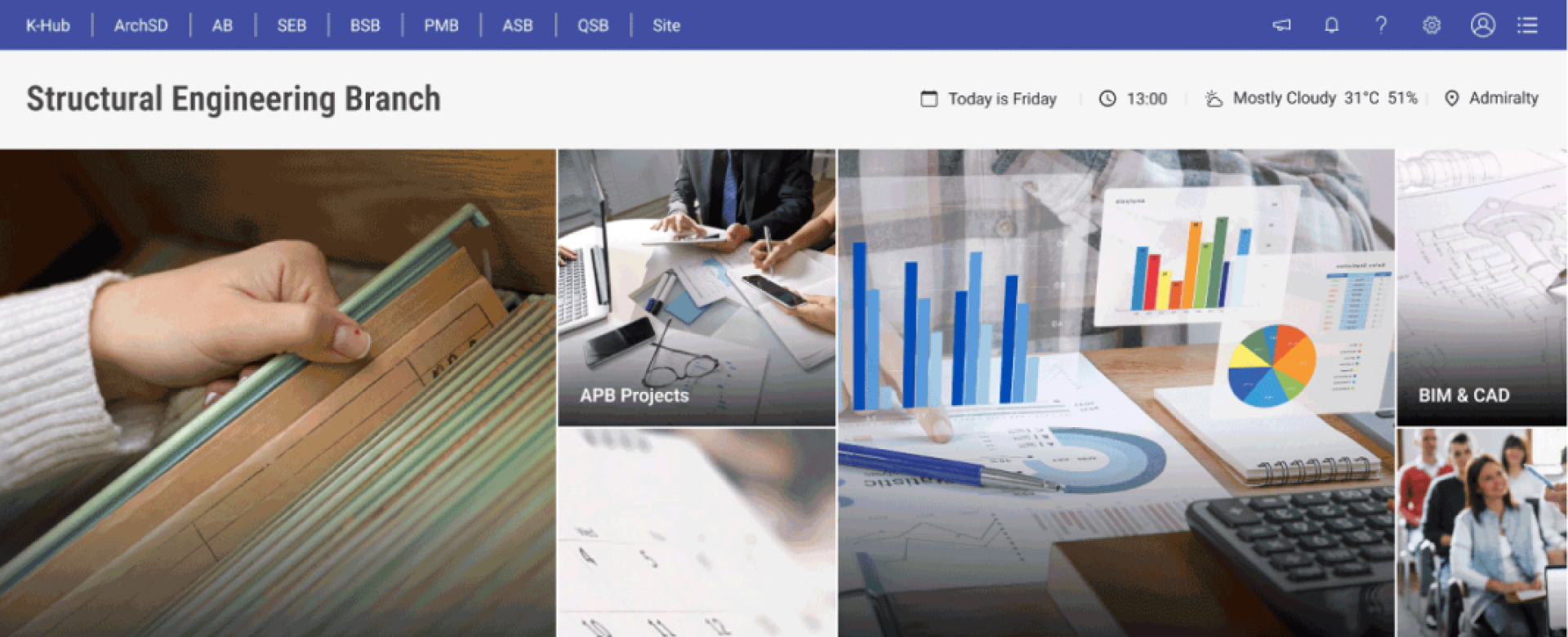
SEB Intranet is a centralized internal platform designed for the Structural Engineering Branch to manage and circulate architectural documents across multiple divisions. The project aimed to consolidate scattered resources and streamline document workflows, replacing manual processes with a more structured and efficient system.
- Category UX Design, UI Design
- Company Architectural Services Department
- Industry Public Administration & Legal Services
- Launch Date May 2023
My Role & Contribution
-
Led UX/UI design for a multi-module intranet platform
-
Defined information architecture for 16 interconnected modules
-
Mapped complex document workflows across different user roles
-
Translated manual processes into structured digital flows
-
Collaborated closely with developers and stakeholders throughout the project
-
Contributed to improving cross-team communication and system consistency
Problem
- The project faced several foundational challenges:
-
Existing resources were scattered and unstructured
-
No unified system for document access and circulation
-
Heavy reliance on manual processes
-
Inconsistencies across divisions in handling documents
-
Miscommunication and unclear expectations in early stages
- Additionally, as a brand-new platform, requirement gathering was complex due to:
-
Lack of existing system reference
-
Diverse user roles with different needs
-
Undefined workflows across teams
My Approach
I approached this as a system design and workflow transformation problem.
- Key focus areas:
-
Structuring scattered resources into a clear information architecture
-
Understanding real-world document workflows before digitizing
-
Aligning different user roles (admin, module admin, officers)
-
Using iterative design to refine requirements and reduce ambiguity
Solution
- Information Architecture:
-
Consolidated all architectural documents into a centralized system
-
Organized 16 modules into a structured and accessible framework
- Workflow Design:
-
Designed automated document circulation processes
-
Reduced reliance on manual handling
-
Ensured consistency across divisions
- Collaboration & Iteration:
-
Worked closely with developers to ensure feasibility
-
Conducted regular stakeholder discussions to align expectations
-
Maintained clear documentation of requirements and changes
- User-Centered Design:
-
Created wireframes and prototypes for validation
-
Iterated designs based on continuous user feedback
Impact
- The new platform significantly improved operational efficiency:
-
Reduced manual document handling
-
Improved consistency across divisions
-
Minimized errors and miscommunication
-
Enabled more efficient document access and circulation
- Additionally:
-
Improved clarity in workflows
-
Strengthened cross-team collaboration
-
Established a scalable foundation for future system enhancements
Reflection
- This project highlighted the importance of:
-
Designing systems, not just interfaces
-
Understanding real-world workflows before digitization
-
Managing ambiguity in early-stage product definition
-
Using structured communication to align complex stakeholders